Clearance Campaigns: January Clearance
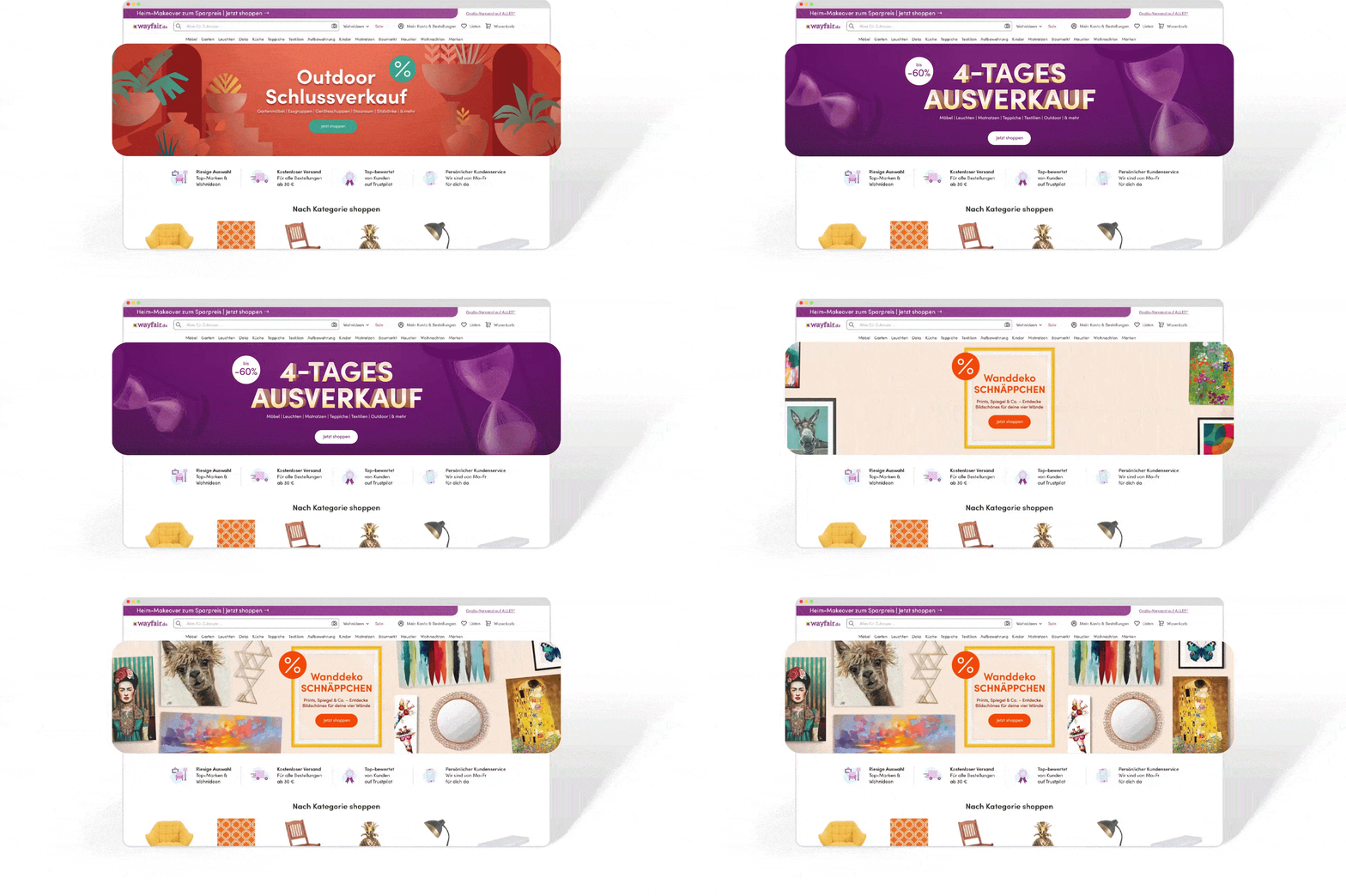
The January Clearance was the first clearance campaign of 2021 labeled as a Tier-1 campaign. It was launched right after the New Year. Capitalising on the sales momentum established by the December holiday season, with a visual approach that maintained high energy. The campaign ran for 12 days on Wayfair.de and Wayfair.uk, with three incorporated creative phases. The campaign enjoyed overall positive performance and achieved it’s business objectives. These examples show the header page visuals on desktop and mobile platforms.
The creative solution was to illustrate a concept that followed a strong narrative, that could carry the clearance campaign with multiple fully illustrated phases. By focusing on a narrative centred around a ski holiday and urgency as the focal point. The concept provided enough versatility for three different creative phases to keep the energy and interest high throughout the sales period.
The visual phases of the campaign used different perspective, time of day and scenery to depict urgency of the sale. The selected visual approach was unique in a sense that it stood out from the other campaigns that ran simultaneously. This was partly due to the colours, as well as the narrative behind the creatives.
Seasonal Campaigns: Outdoor-Must-Haves
The Outdoor-Must-Haves was the sixth out of the total seven outdoor campaigns that specifically focused on end-of-season sale by promoting key outdoor classes, such as garden benches, reclining chairs and parasols among others. The sixth iteration ran for a total of 27 days on the Wayfair.de and Wayfair.uk sites, making it one of the longer seasonal campaigns that year. These examples are taken from the sent customer email marketing.
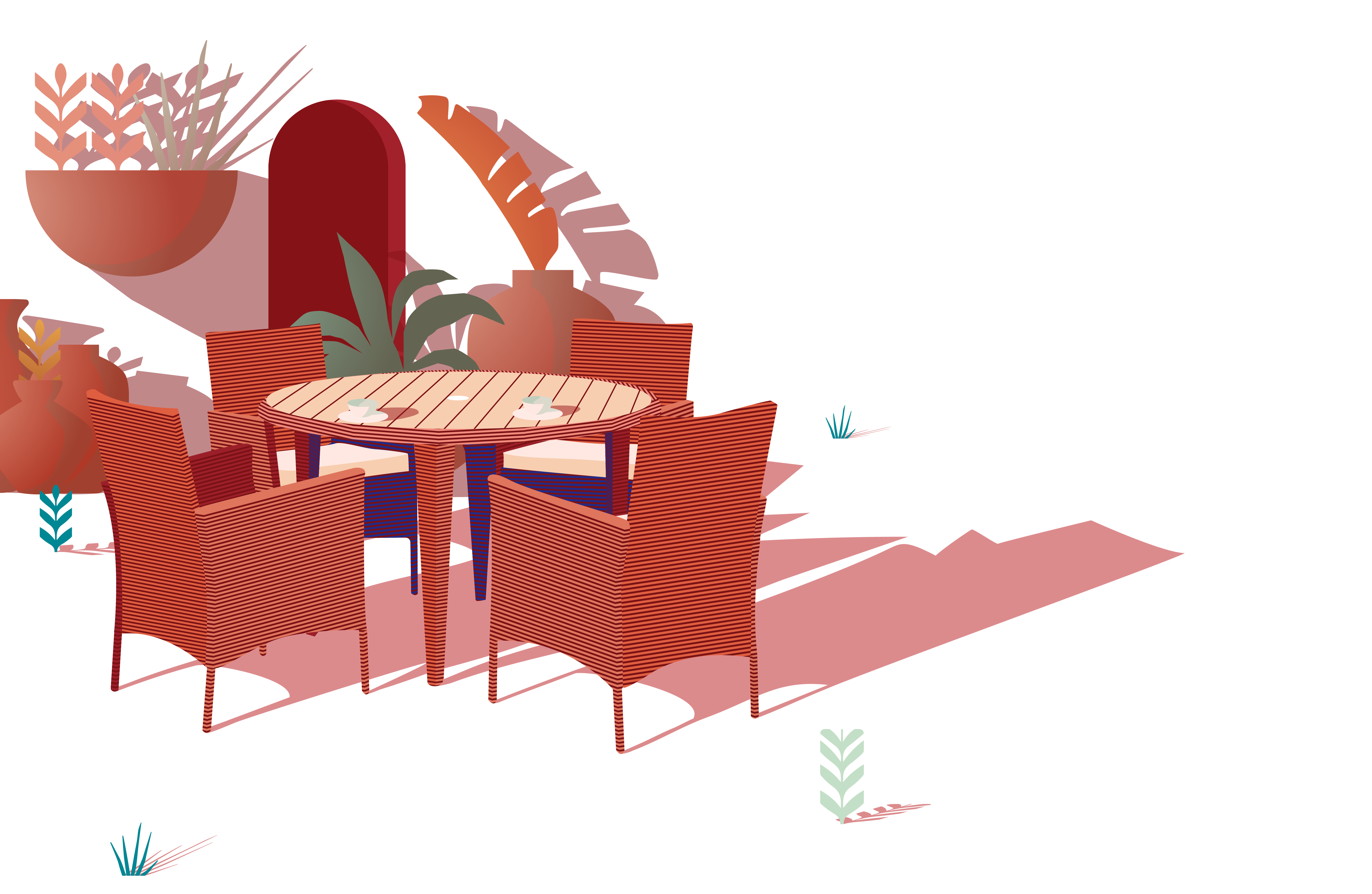
The creative solution to tackle the objectives was to use illustrated products as the main visual tool. This was a marketing strategy which was measured by previous year’ successes. To promote prices for the illustrated products, we introduced a geometrical price tag that indicated the starting prices for the classes in question. Green background was chosen for the obvious connection between outdoor and garden spaces. The illustrated products were carefully selected to match the business goals, seasonality and current trends. Extra attention was given to the positioning and angles of the illustrated products, as well as their shadows, which were manually created for more striking visual impact.
Category Campaigns: Lighting Sale
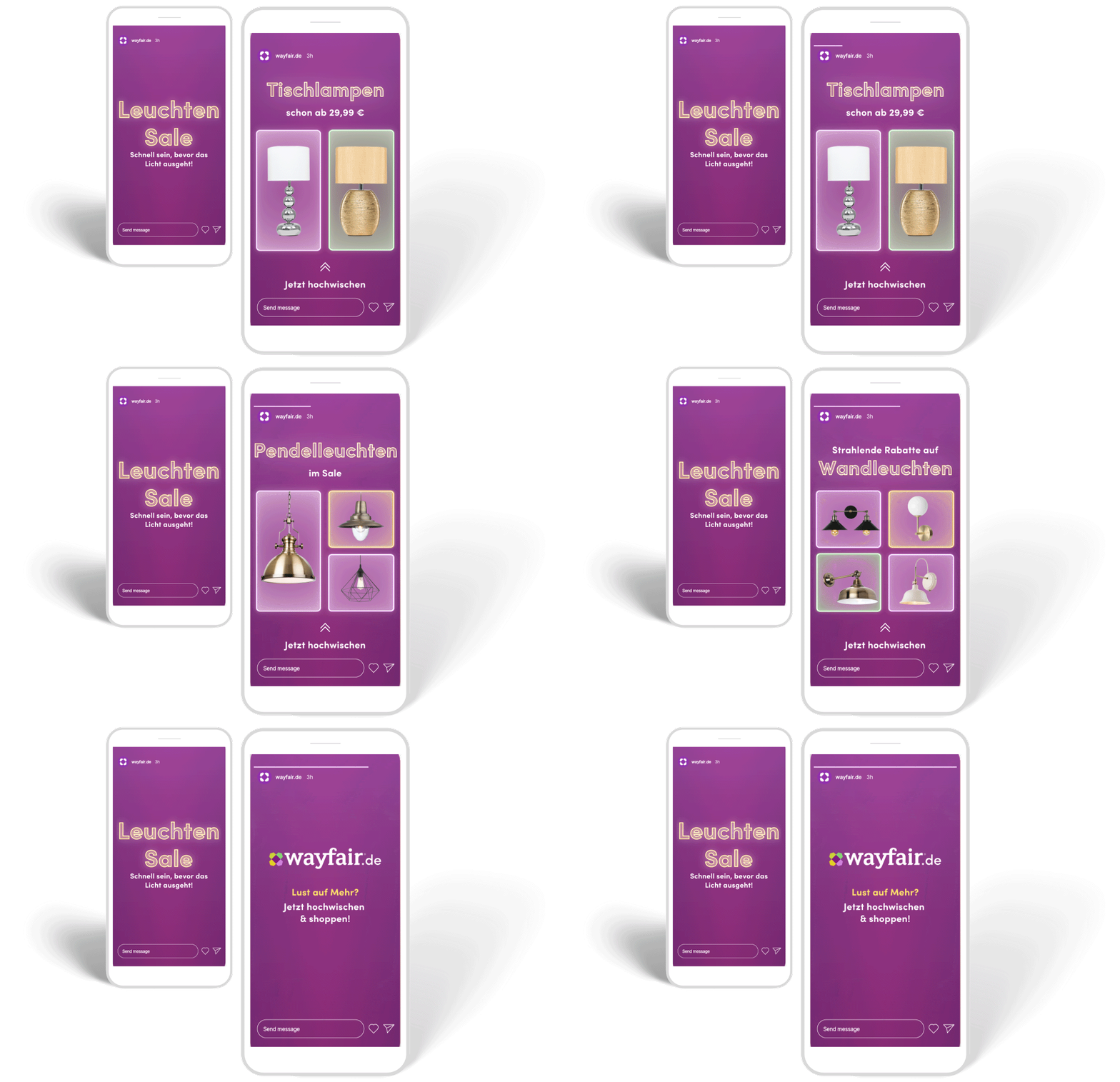
The Lighting Sale campaign was a category campaign that was featured twice during the winter months of the year. The business angle was the obviously bigger sales potential of that time period. The concept of the Lighting Sale was pretty straightforward: multiple product pictures centred around a fun, lighting themed graphics and animations. This Lighting Sale campaign utilised heavy use of corporate colours, flickering neons and typography. The example shown here is one of the two animated Instagram stories about the deals that were live for a limited time.
In marketing terms, this Lighting Sale was moderately successful in creating stable and positive uptick in numbers, and saw the concept further utilised in future Lighting Sale’s with small changes.